
Subtotal $0.00
 Small actions can build a better tomorrow.
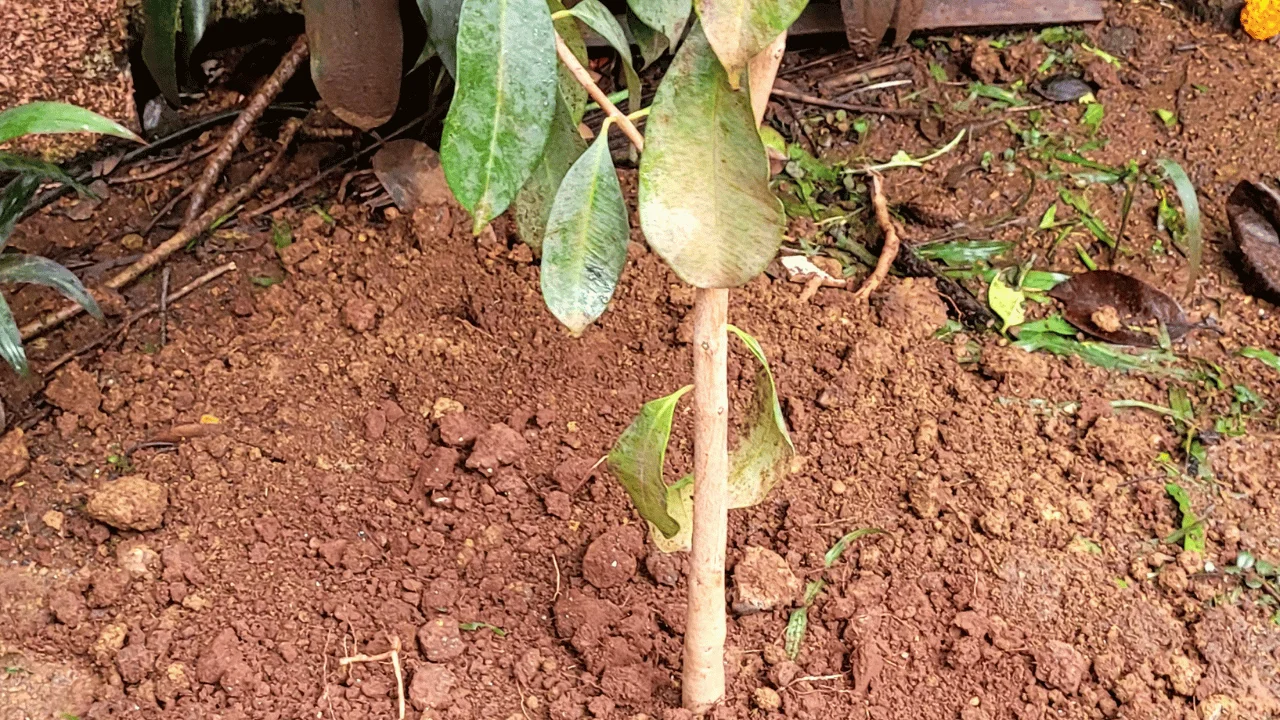
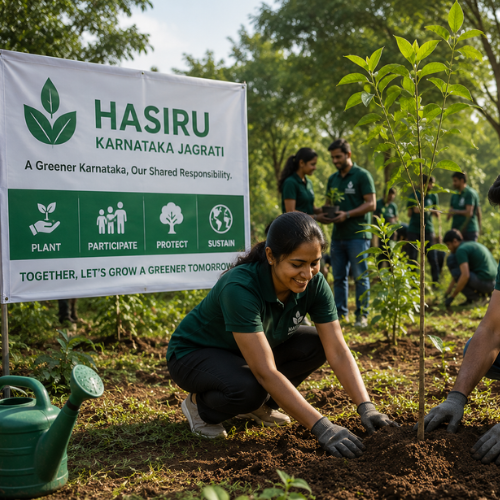
Planting a sapling brings people together with a shared of hope. It represents cleaner surroundings, healthier communities, and a greener future for the generations to come. However, placing a sapling in the soil is only the beginning. Its survival growth depends on what happens after the plantation day.
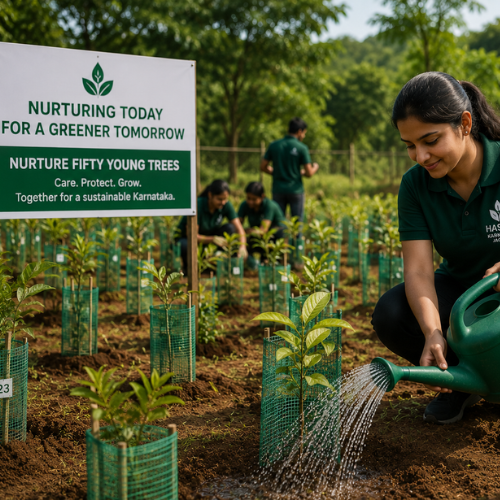
Young saplings need regular watering, suitable soil, protection from grazing animals, and careful observation during changing weather conditions. Without continued continued care care, even a well-planned plantation activity may fail to create lasting green cover. Tree plantation becomes meaningful only when every sapling is given a genuine opportunity to survive and grow.
Our responsibility does not end when a sapling is planted. It continues until its roots are strong enough to support stand on their own.
— Ghar Kar Foundation
From Plantation to Protection
A successful tree plantation begins with thoughtful preparation. The location, soil condition, availability of water, and suitability of the selected species must all be considered before planting. Choosing trees that can adapt to the local environment helps reduce unnecessary maintenance and supports healthier growth. The next step is to create a practical care plan. Saplings should be watered regularly, supported when required, and protected from animals or accidental damage. Periodic visits can help volunteers identify dry soil, damaged guards, weak stems, or other problems before the sapling is lost.
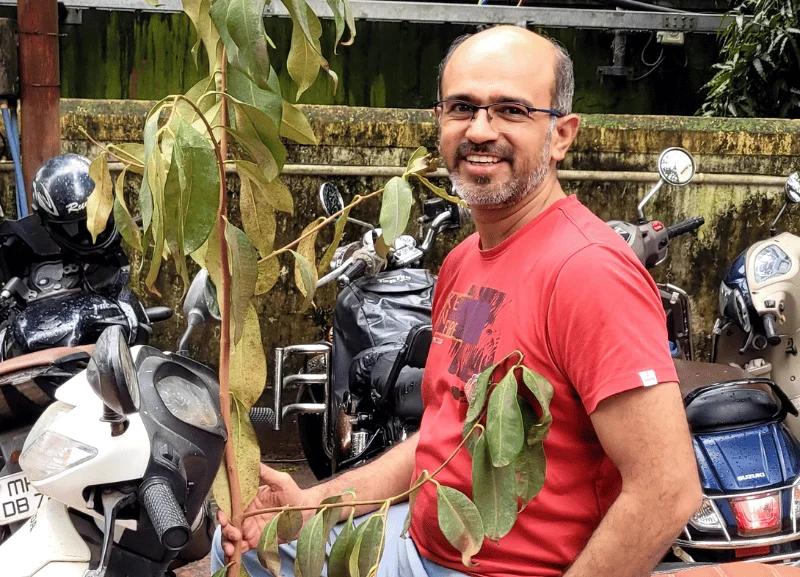
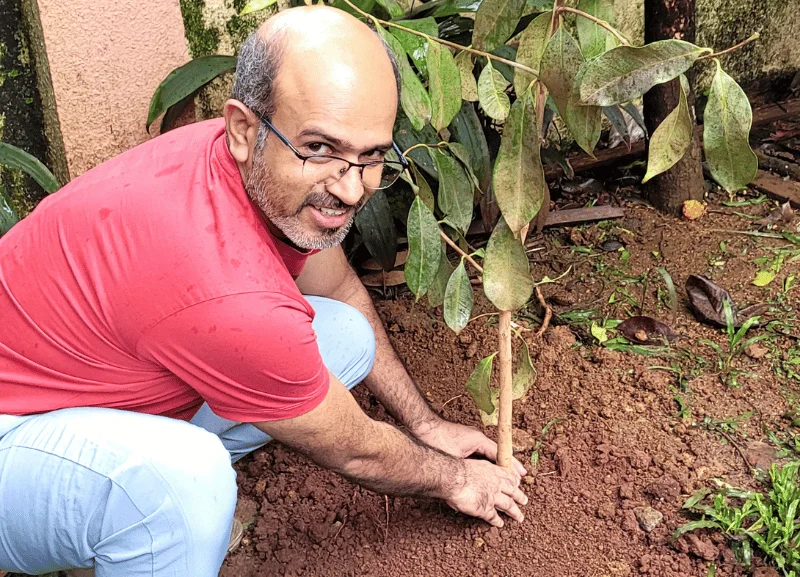
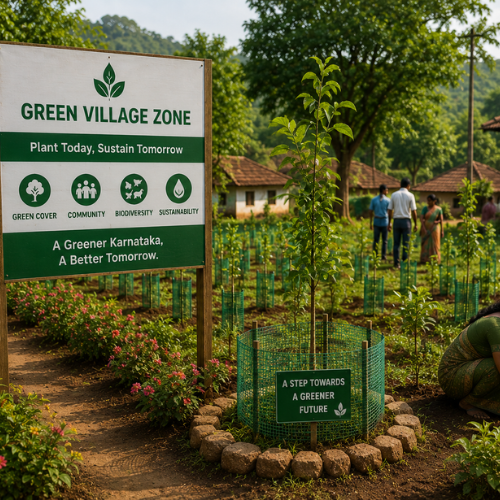
Local participation plays an important role in keeping plantation efforts alive. When residents, children, farmers, volunteers, and community representatives become involved, the trees are no longer viewed as part of a one-day activity. They become a shared responsibility and a visible part of the community’s future.
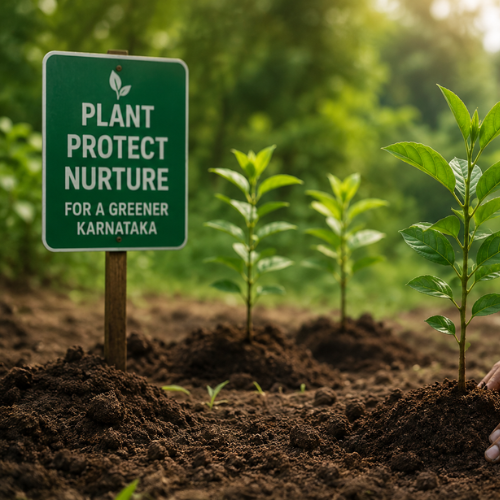
Ghar Kar Foundation approaches tree plantation with this long-term understanding. The purpose is not simply to increase plantation numbers, but to encourage responsible planting, continued care, and community ownership. Every surviving tree can contribute to greener surroundings, provide shade, support local biodiversity, and strengthen the relationship between people and nature. The success of tree plantation should therefore be measured through survival and growth. A healthy tree standing years after it was planted carries far greater meaning than a large number of neglected saplings. With patience, consistent care, and collective responsibility, today’s small saplings can become tomorrow’s living green legacy.


Comments are closed